
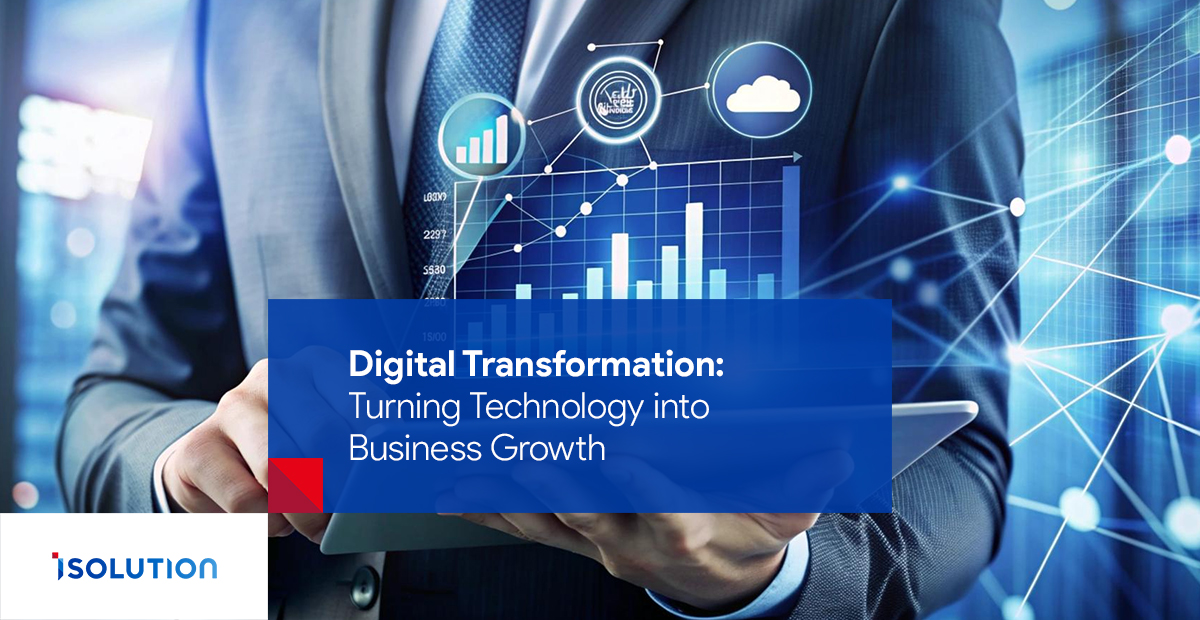
Digital transformation is no longer a future ambition,it is a present necessity. Across industries, organizations are redefining how they operate, deliver value, and compete by embracing digital technologies. However, true digital transformation goes far beyond adopting new tools. It is about reshaping business models, optimizing processes, and building a culture that supports continuous innovation.
Understanding Digital Transformation
Digital transformation refers to the integration of digital technologies into every aspect of a business. This transformation fundamentally changes how organizations operate and deliver value to customers. More importantly, it also requires a shift in mindset,moving from traditional workflows to agile, data-driven decision-making.
In today’s fast-moving markets, customer expectations are higher than ever. Clients demand faster services, personalized experiences, and seamless digital interactions. Businesses that fail to evolve risk losing their competitive edge, while those that invest in digital transformation position themselves for sustainable growth.
Key Drivers of Digital Transformation
Several factors are accelerating digital transformation worldwide. One of the most significant drivers is the rapid growth of data. Organizations now generate vast amounts of information daily, and the ability to analyze this data effectively enables better decision-making and forecasting.
Another major driver is customer experience. Modern consumers expect convenience, speed, and personalization. Digital tools enable companies to understand customer behavior and tailor services accordingly.
Operational efficiency also plays a critical role. By automating repetitive tasks and streamlining workflows, organizations reduce errors, improve productivity, and free employees to focus on strategic activities.
Core Components of a Successful Transformation
Successful digital transformation requires a structured approach. It begins with a clear vision and leadership commitment. Leaders must define objectives that align with business goals, ensuring technology investments deliver measurable outcomes.
The second component is process optimization. Organizations should evaluate their current workflows and identify inefficiencies. Automation, integration, and digitization can significantly enhance performance.
Technology adoption is another crucial element. Cloud computing, artificial intelligence, data analytics, and cybersecurity tools form the backbone of modern digital strategies. However, selecting the right technologies is essential to avoid unnecessary complexity.
People and culture are equally important. Employees must be trained and empowered to adapt to new technologies. Encouraging collaboration, continuous learning, and innovation fosters long-term success.
Challenges Organizations May Face
Despite its benefits, digital transformation can present several challenges. Resistance to change is one of the most common obstacles. Employees may feel uncertain about new technologies or fear disruption to their roles.
Budget constraints can also limit transformation initiatives. While digital solutions provide long-term value, organizations must carefully plan investments to ensure financial sustainability.
Cybersecurity risks are another concern. As businesses adopt digital systems, protecting sensitive data becomes increasingly critical. Strong security frameworks and compliance strategies are essential to maintain trust and reliability.
Measuring Success in Digital Transformation
Measuring the success of digital transformation requires clear metrics. Organizations should monitor performance indicators such as operational efficiency, customer satisfaction, revenue growth, and time-to-market.
Data analytics plays a vital role in tracking progress. By analyzing performance data, leaders can identify improvement areas and refine strategies. Continuous evaluation ensures that transformation efforts remain aligned with evolving business needs.
The Future of Digital Transformation
Digital transformation will continue to evolve as emerging technologies reshape industries. Artificial intelligence, machine learning, and automation are expected to play even larger roles in enhancing productivity and innovation.
Organizations that embrace transformation as an ongoing journey, rather than a one-time project,will be better prepared to adapt to future challenges. The goal is not simply to adopt technology but to create a resilient, agile business capable of thriving in an increasingly digital world.
Ultimately, digital transformation is about unlocking new opportunities. By combining strategy, technology, and people, organizations can build smarter operations, stronger customer relationships, and sustainable growth.
Reference:
McKinsey & Company: What is Digital Transformation? (https://www.mckinsey.com)







Leave a Comment